Tips & News
The Yardblog
A resource for helpful tips and sustainable ideas.

About the yardblog
The goal is to make this blog a resource for helpful tips and sustainable ideas. We create original content that shows projects in progress and the behind-the-scenes of installation.
Select Category
- Calder Gardens 2
- Construction Pricing 2
- Design + Build 1
- Dutch Wave 3
- Featured Projects 13
- Forecasting 1
- Garden Design 2
- Gardening Tips 7
- Green Infrastructure 6
- Invasive Species 1
- Native Plants 36
- Nativeish Plants 4
- New Perennial Movement 4
- Pennsylvania 1
- Perennials 4
- Piet Oudolf 1
- Plant Identificaiton 1
- Plant Identification 8
- Plantings of The Season 20
- Project Costs 2
- Rain Gardens 6
- Rain Park 3
- South Orange 1
- Summit 1
- Sustainability 8
- Tips & Tricks 8
- gardening tips 4
- nativeish plants 10
- perennials 4
246 Days of Gardening
ts nearly mid-February and we are getting excited about kicking off 246 Days of Gardening. For nine months, we will be doing lots of stuff to help people, towns and businesses get outdoors and find the pure joy of getting your hands dirty. In todays world with all of the troubles, it’s important to get active and go into nature.

Planting the Dutch Wave
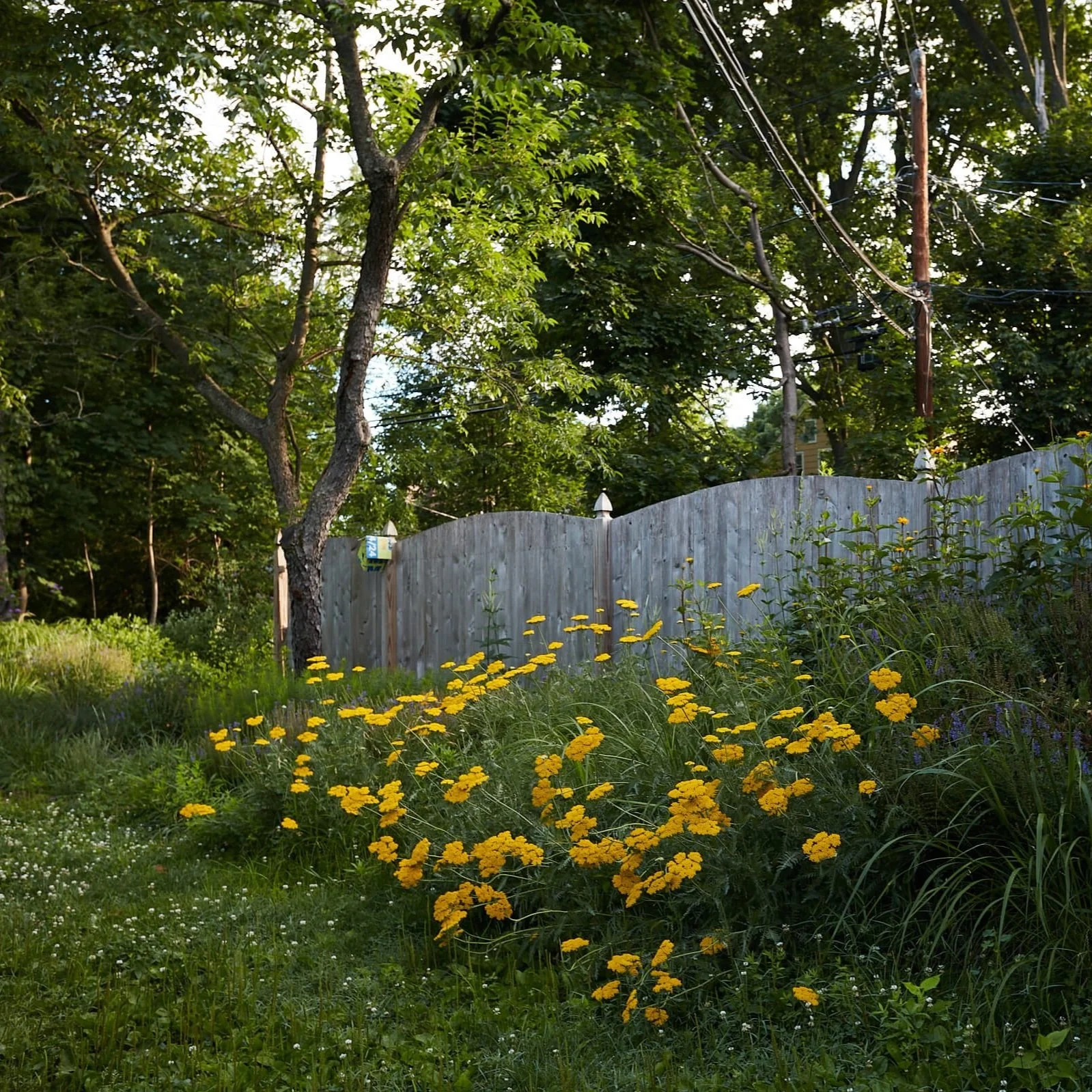
The way to get the Dutch Wave effect is to use more plants in a way that gets the plants to look natural. easier said than done.

Three Principles for the Dutch Wave
The Dutch Wave has 3 major parts to it: use only perennials, use lots and lots of them and do it in a way that feels like nature.

Origins of the Dutch Wave
The Dutch Wave is a new movement in gardening to use perennials and grasses in ways that show naturalistic patterns and other characteristics. Two men have pioneered the movement. the first was Karl Foerster and the second Piet Oudolf.